REINVENTING THE RIDE.
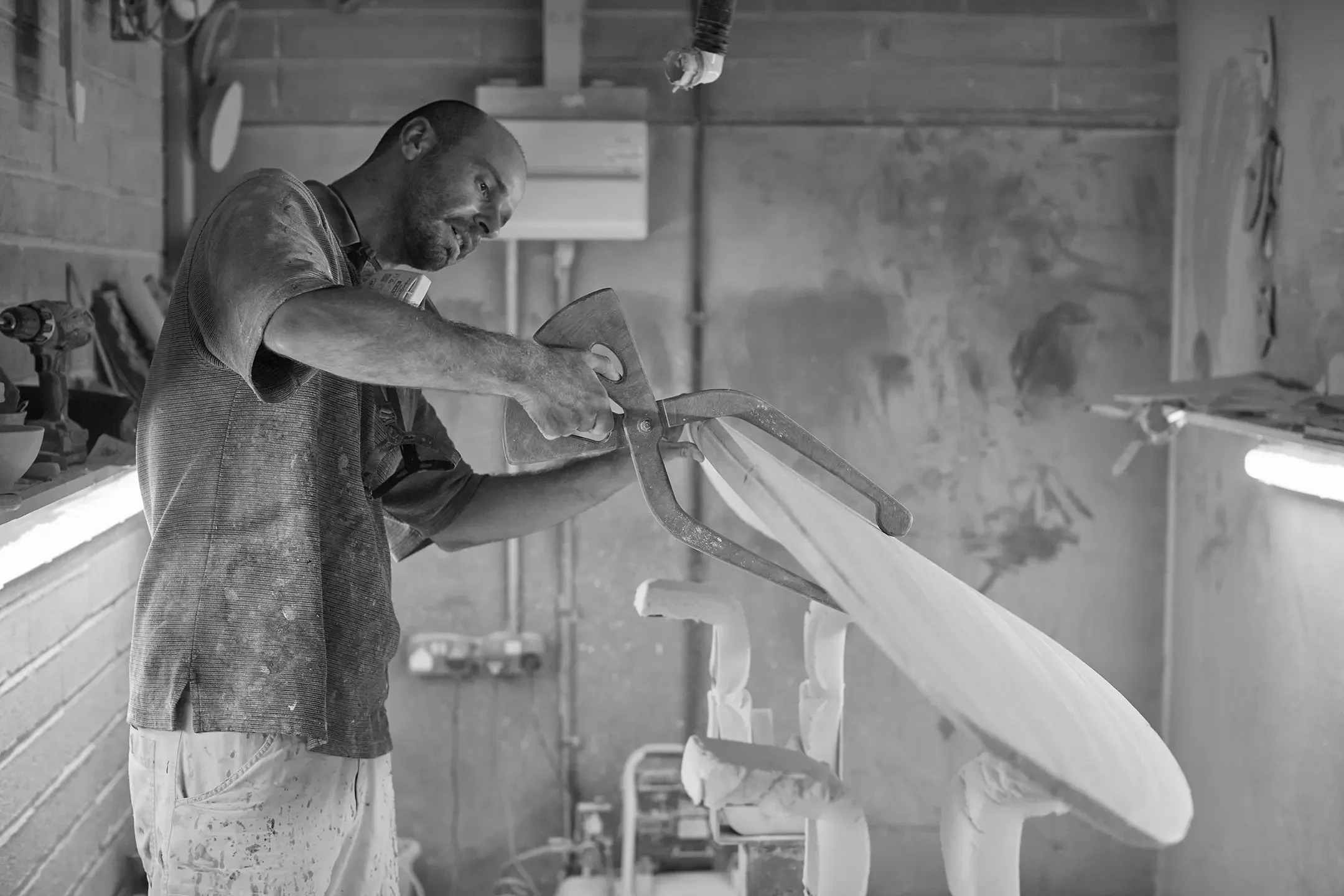
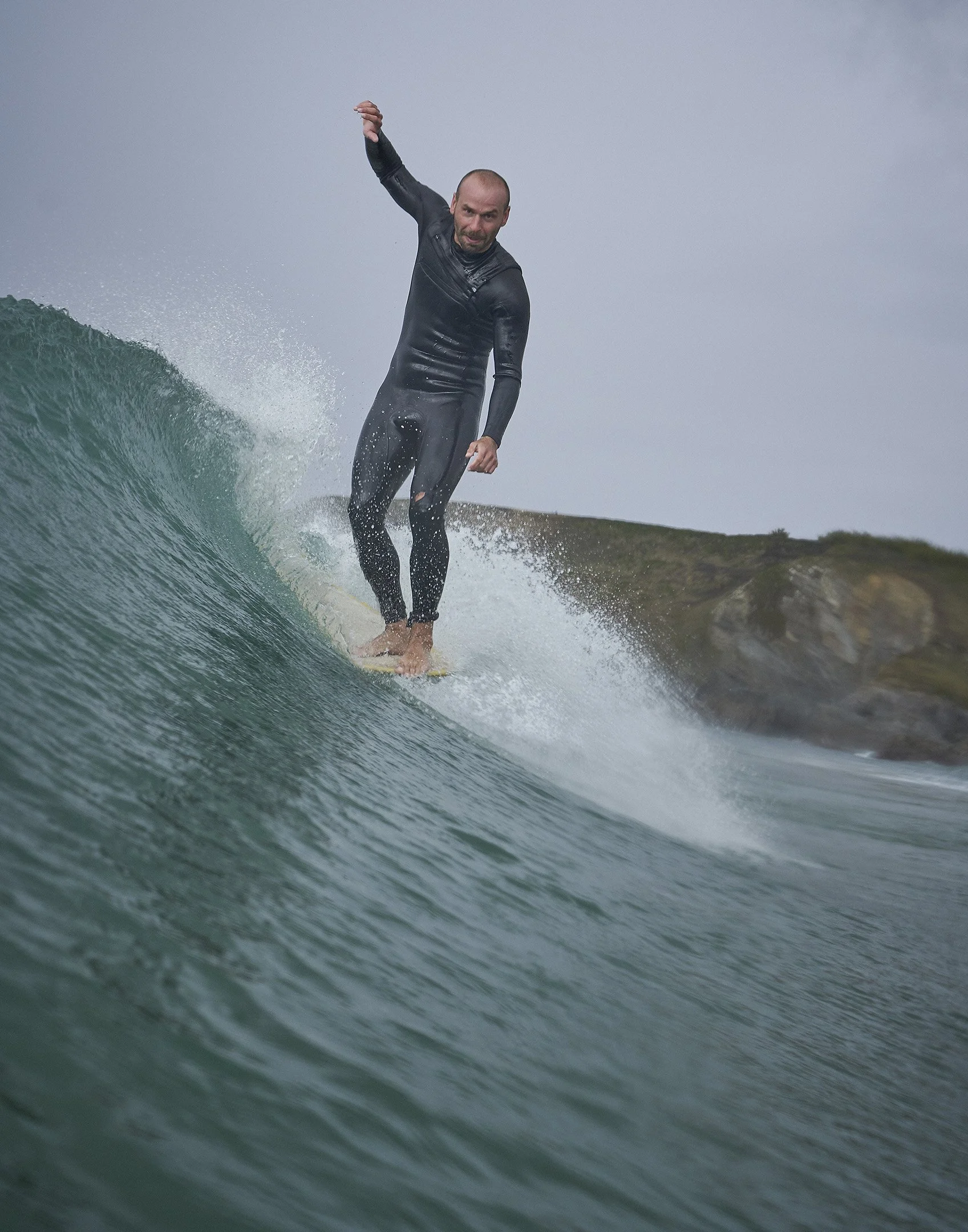
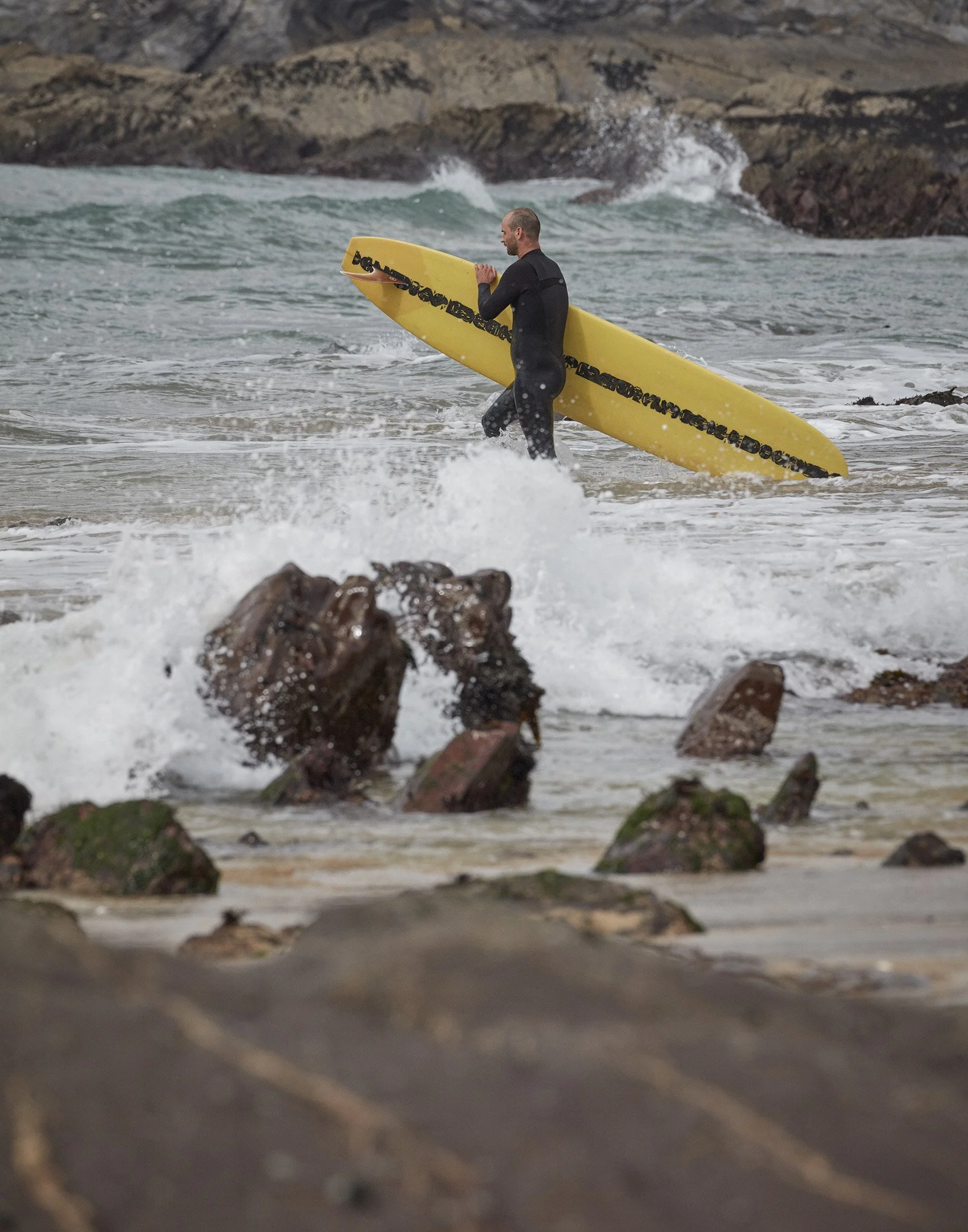
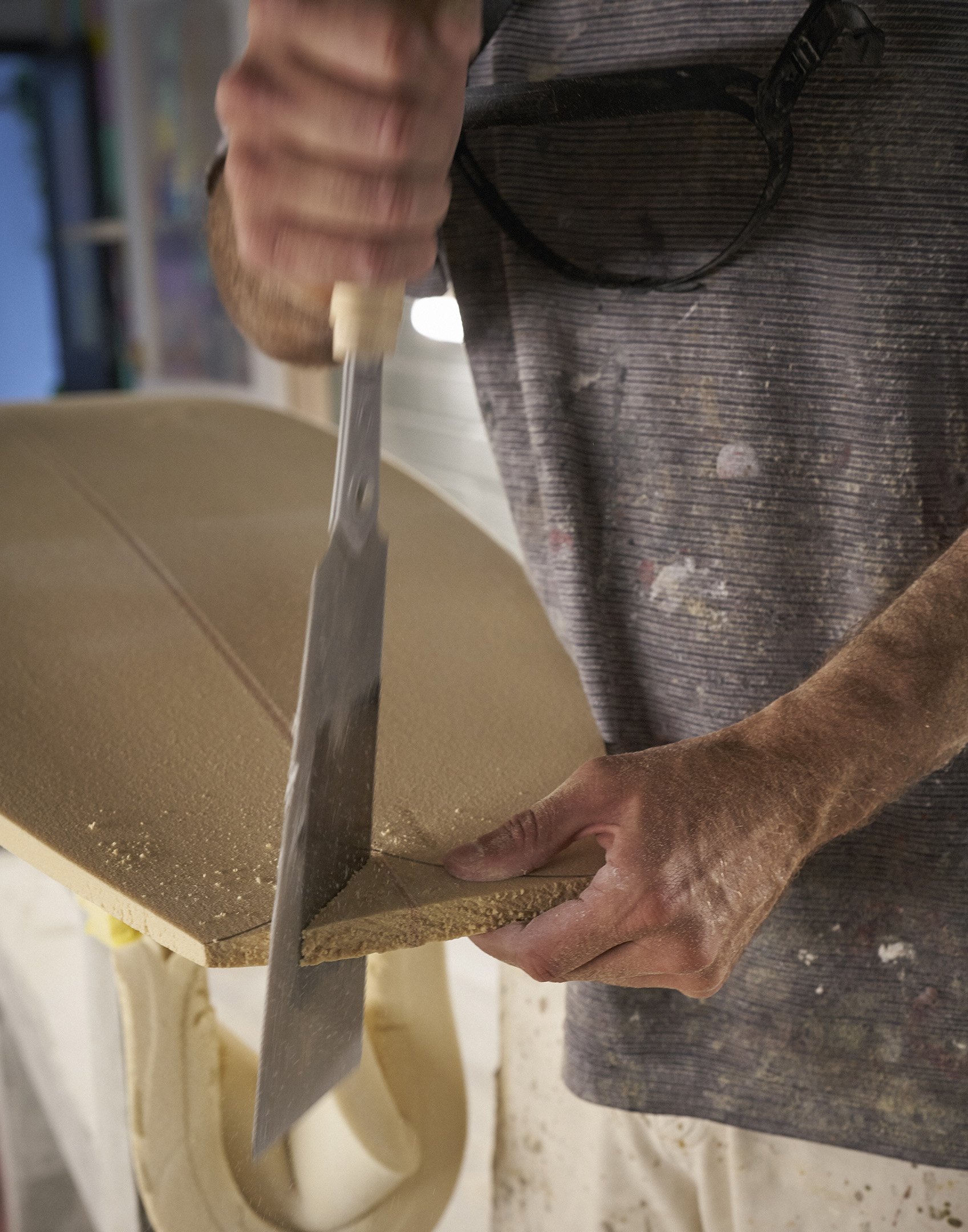
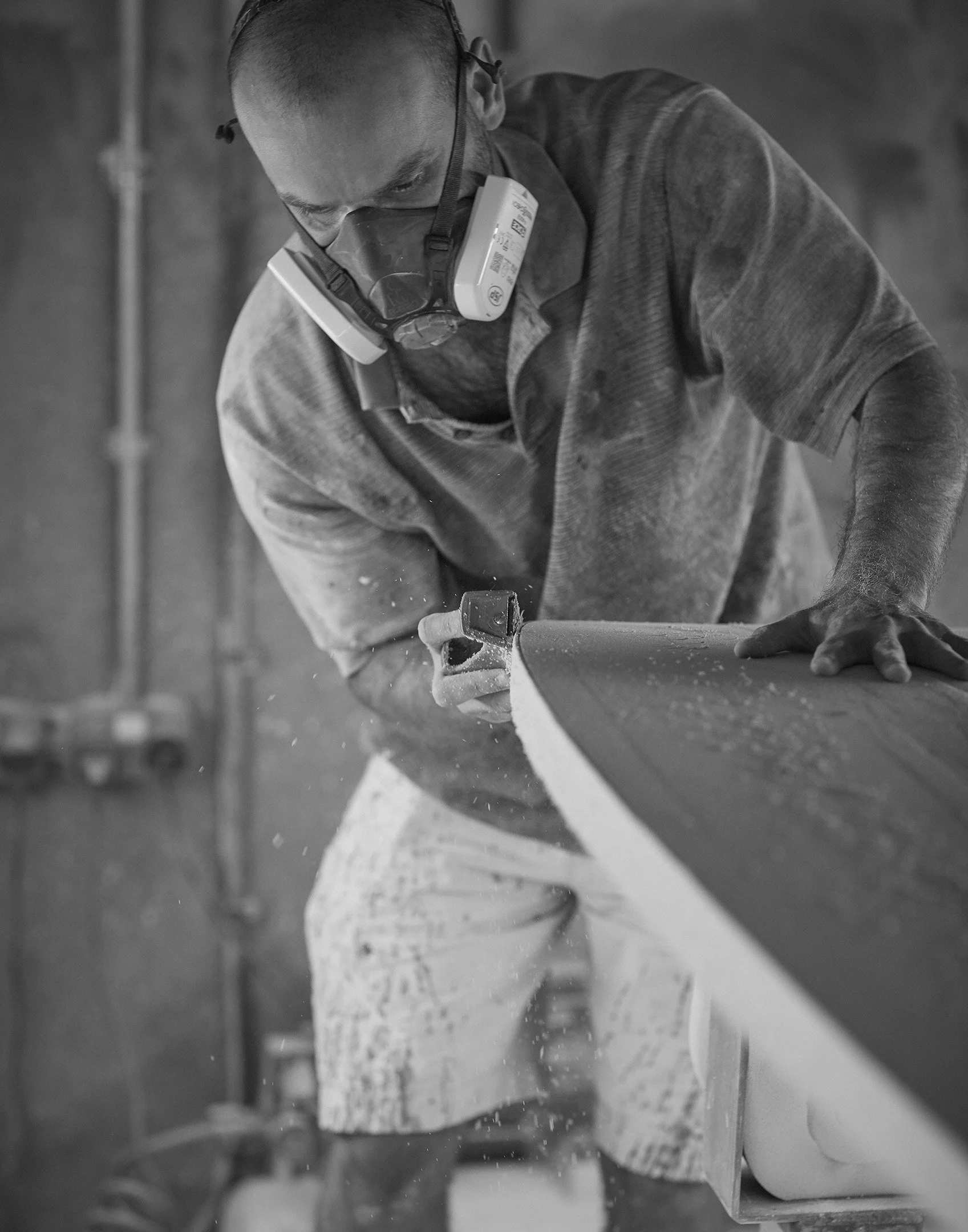
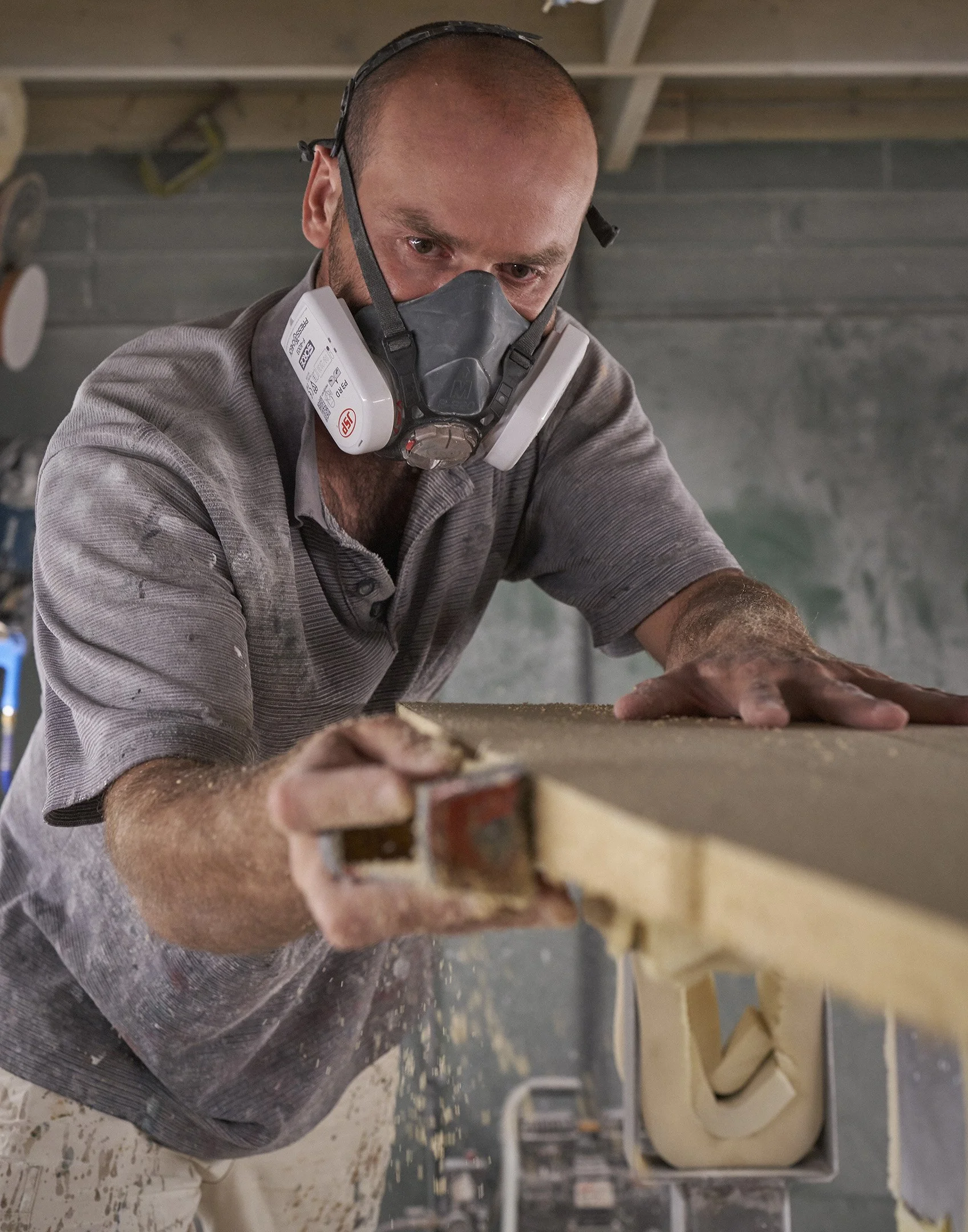
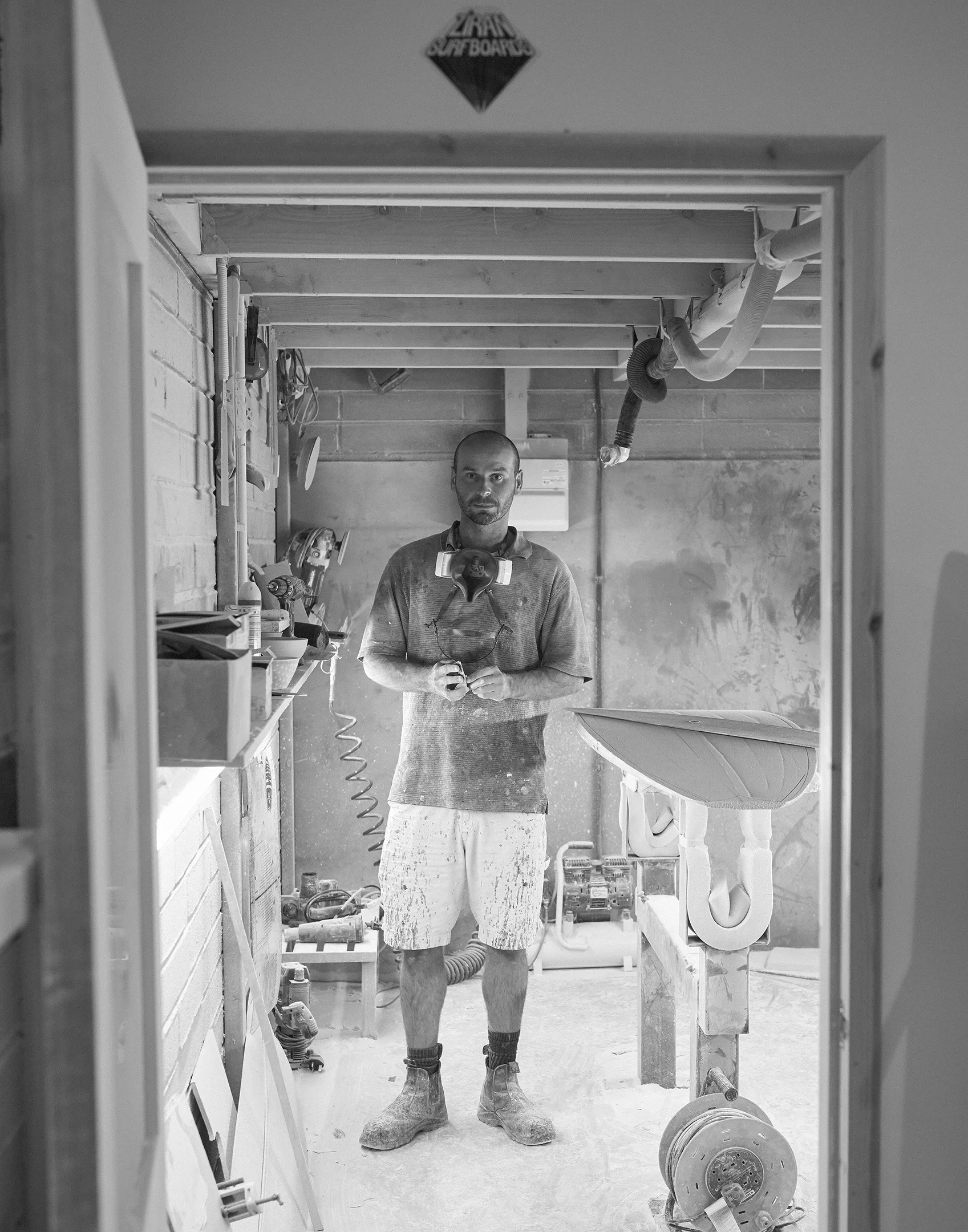
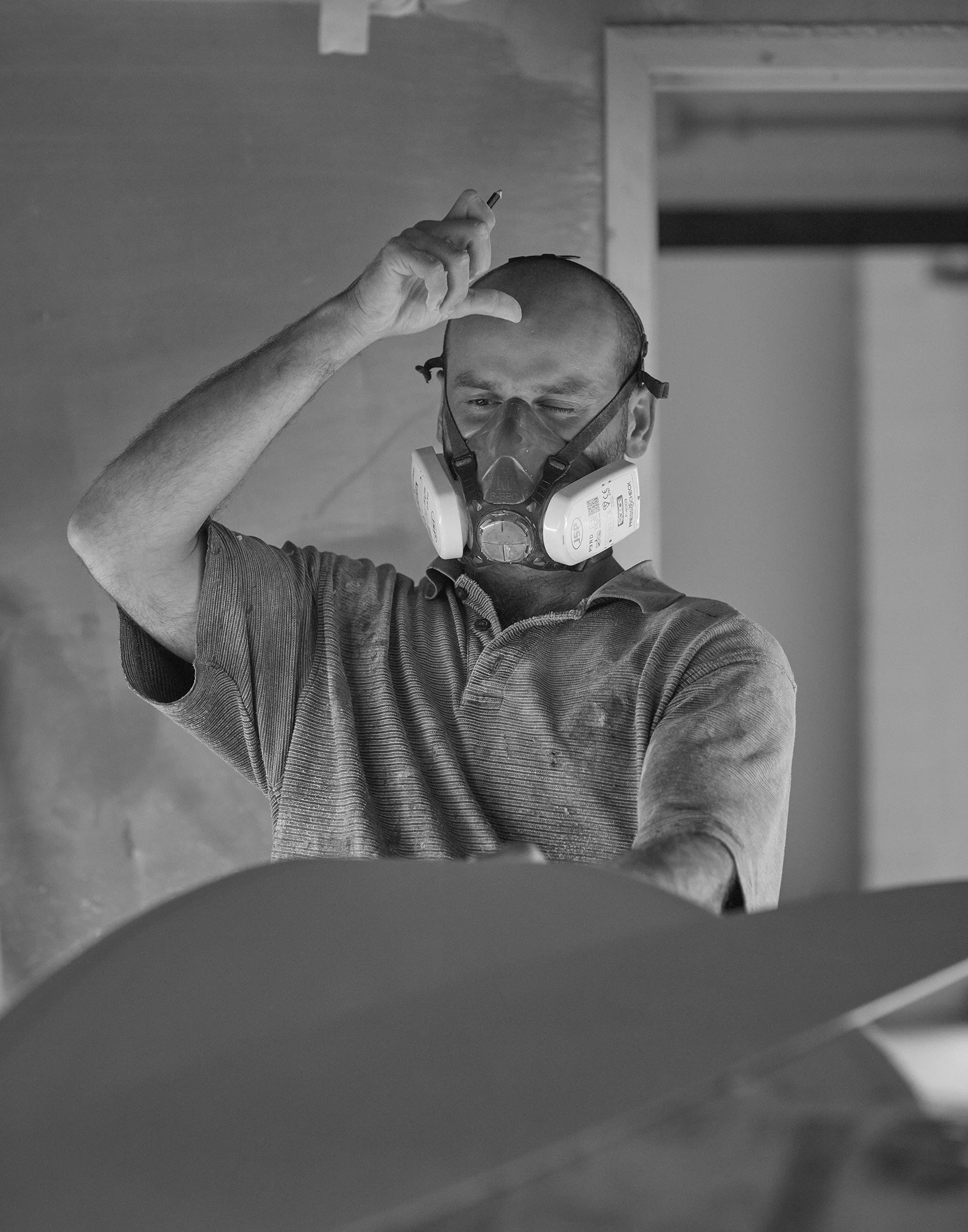
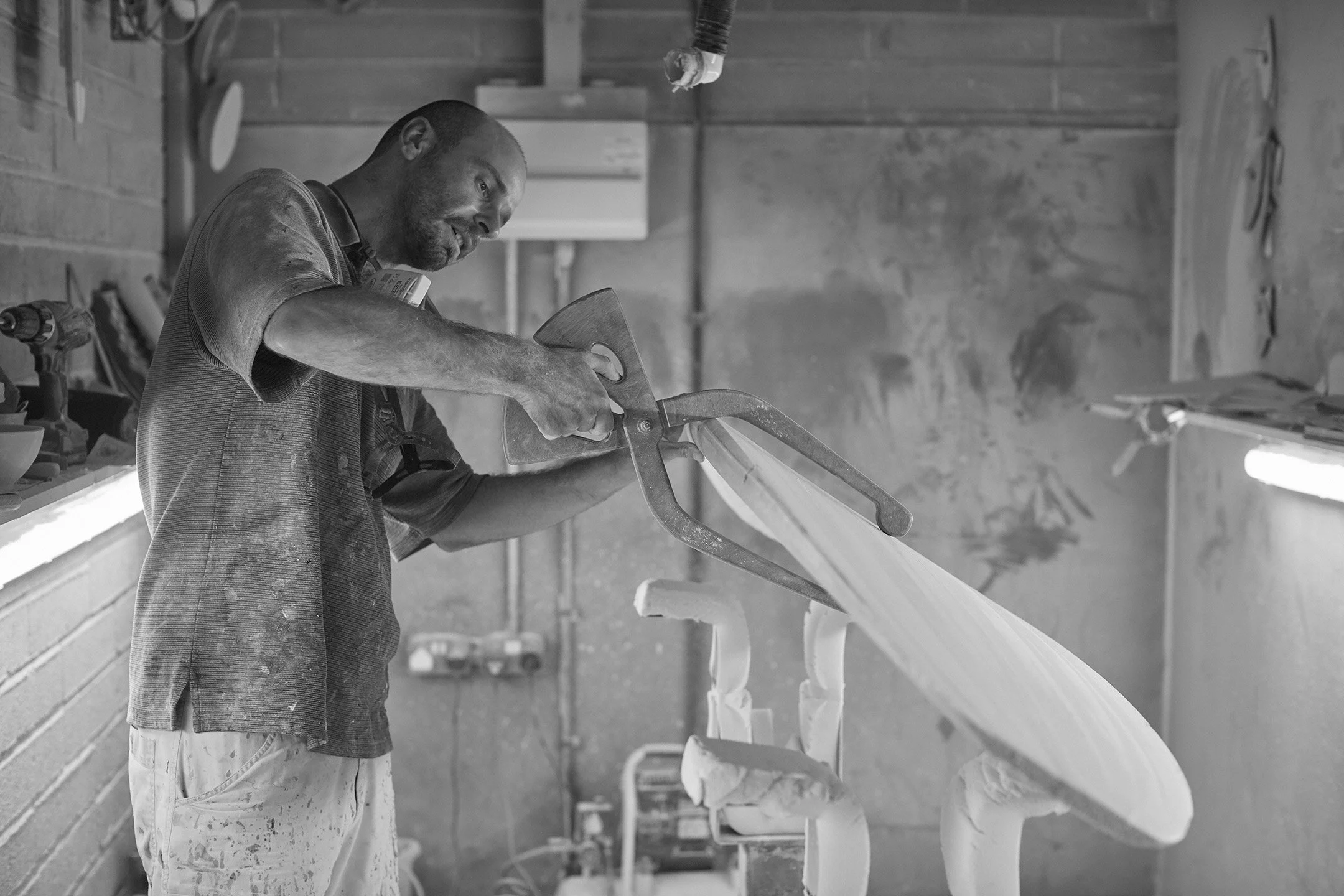
Andy Ziran - Captured by James A. Grant
James’ Story:
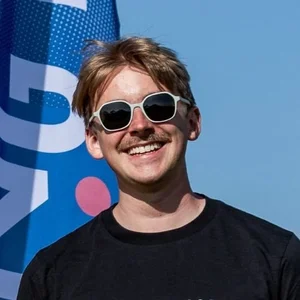
Hi, I am James, a fashion, lifestyle and documentary photographer originally from Jersey in the Channel Islands, now based in Cornwall, England.
I began my career working in high fashion before moving into streetwear and lifestyle, with my work consistently focused on people who “do things”. Alongside this, as a surfer with a passion for old motorcycles, I started creating personal work centred on these interests outside of my commercial practice. This naturally developed into paid work that combined both of these passions. However, surfing and shooting in the water have always brought me the greatest joy and inspiration as a photographer. This ultimately led me to focus most of my energy on working with brands and projects centred around sustainability and reducing our impact on the Earth and our oceans.
This body of work began after meeting a local surfer in Jersey, Charlie Cadin. One day, while photographing surfers in the water, I noticed him with a strange green translucent surfboard. I asked him about it and learned it had been made from sea lettuce he had collected from a local beach. When he explained why, it made me question, for the first time, why we still use such toxic materials in our surfcraft. It felt like an oxymoron: as a surf community, we are connected to the ocean, yet contribute to its pollution.
In December 2024, I began researching the environmental impact of surfboards. The most recent published data I found, from Wavelength Magazine, stated: “Over 750,000 to 1,000,000 non-biodegradable surfboards are produced each year, many of which end up in landfill, where they take 500–1,000 years to break down.” I found it astonishing that the figures were both so high and so imprecise.
In February 2025, I began investigating further: why are we still using materials and methods that date back to the early 20th century in surfboard production? Do we now have the technology to replace these toxic materials, and if so, who is already doing it?
In August 2025, I followed my instinct and attended a sustainable surf festival called Rising Tide in Newquay, Cornwall. There, I met individuals within the industry who are working with alternative materials and more environmentally responsible processes. This opened up conversations with UK surfboard shapers who have been exploring new techniques and materials that I had previously been unaware of. From that point, I began a focused visual investigation to explore the questions that Charlie Cadin had first sparked.
Following the festival, I began documenting shapers across England and Wales who are developing approaches to surfboard production using more biodegradable materials, processes that significantly reduce the use of toxic substances, and innovations that utilise recyclable cores in place of traditional foam blanks.
While documenting these shapers, their processes and materials, I also recorded audio interviews, asking key questions: how do we make meaningful change in the materials we use? Is the technology already here? And how can the surf industry reduce its environmental impact?
I was conscious that I did not want this portrait series to feel familiar or predictable, simply showing shapers at work in their bays. Instead, I incorporated my own passion by photographing them in the water, riding the boards they create. Visually, the project balances intimate workshop portraits with the energy and movement of the ocean.
As the series evolved, it naturally developed into what is now the most comprehensive visual collection of UK surfboard shapers to date.
The work will be exhibited initially as a small collection at OCL’s World Ocean Week in Jersey, where the story began, followed by the main exhibition at The Poly in Falmouth from 23rd June to 1st July. The exhibitions will present photographs created over the course of a year, accompanied by audio headsets that allow viewers to listen to the original interviews and engage directly with the voices of the shapers.
Ultimately, this project asks a simple question: how do we make a change? This exhibition is my attempt at an answer.